
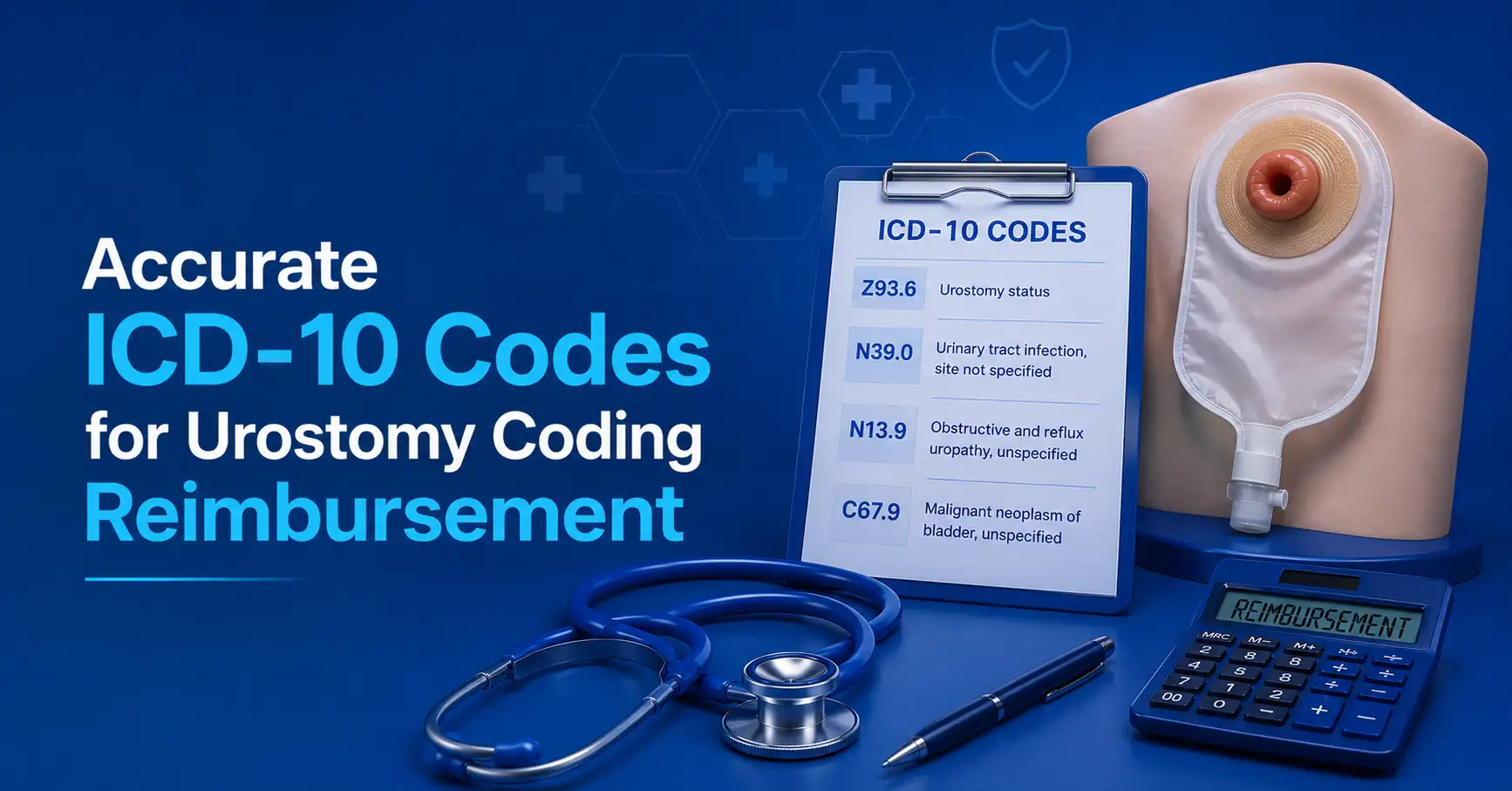
International Classification of Diseases ICD_10
ICD-10 (International Classification of Diseases) is used as a worldwide coding system, and it is developed by the World Health Organization. The main purpose of using this code is for medical insurance. This code is used by hospitals and clinics to gain a clear understanding of medical diseases, health conditions, and medical processes. Each disorder or patient’s condition has a different alphanumeric code that is used by the coding experts to ensure the medical necessity of patients.
These codes help to report the patient’s disease accurately. ICD-10 code is helpful for clear documentation, which includes the detailed codes for different disorders. Instead of using long descriptions about medical conditions, healthcare organizations give short codes to clearly identify the condition of the patient. These specific codes are used to identify different health problems, such as internal or external injuries. ICD 10 code is initiated to understand statistical reporting, medical billing services, and insurance claims.
Every hospital, clinic, and insurance company can easily indicate a patient’s medical issue by using these standardized ICD-10 codes. ICD-10 code supports uninterrupted claim submission to the insurance company in the medical billing process. Professionals and billing experts use accurate medical codes, so the insurance company can clearly identify the patient’s condition and treatment. It also minimizes the claims refusal because the claims are rejected due to wrong coding.
ICD-10 code for Urostomy
Urostomy is a kind of surgery in which the stoma in your abdomen allows the urine to leave your body when the bladder is damaged and not functioning properly. In this surgery, you use a urostomy bag and pouch. This surgery is for the damaged bladder, bladder cancer disease, or innate abnormalities in the bladder, or the removal of the bladder. These are the causes for which a patient may need a urostomy surgery. The ICD-10 code is used to elaborate on the medical condition in the medical record. The detailed list of ICD-10 codes is given below:
Attention to Urostomy-Z93.6
This code represents the surgical process in which the urine is passed through the body from the abdomen through the proper medical surgical process. In a urostomy, the doctors keep the medical record accurate and write about the condition of the patient, in which they write that the stoma is present. This code is also used for further check-ups and treatments.
Encounter for Attention to Urostomy-Z43.6
This code is used when the patients specifically visit the doctor for urostomy-related disease. The patient visits the clinic for different kinds of medical issues, which include stoma cleaning, changing the urostomy bag for patient health, and visiting the clinic regularly to ensure their health condition is working properly. The purpose of this regular check-up is to determine whether the urostomy is working properly or not. It may help to avoid the problems related to this disease, which include injection or other complications.
Other Complications of Urostomy-N99.528
This code is used for the post-surgical complications. These complications are related to the stoma, in which patients have infection, irritated skin, blockage, or urine leakage. The use of this specific code is to identify the problem related to Urostomy. This code helps to explain to the insurance company the necessity of the disease.
Other Disorders of the Urinary System Following Procedure-N99.538
This code is used for the post-surgical process, such as creating a Urostomy. The effects of this urostomy surgery include atypical urinary flow, irritation in the urinary area, and complications of urine passing through the body. This also helps to approve the claims that the treatment is medically necessary and valid.
Malignant Neoplasm of Bladder-C67.9
This code shows the bladder cancer, which is one of the main reasons to perform a Urostomy. In this stage, the bladder needs to be removed. The doctor removed the bladder due to cancer through surgery, creating a stoma.
Problems and Solutions When Assigning ICD-10 Codes for Urostomy
1. Problem: Unclear Clinical Documentation
Without detailed information, medical coders cannot select the accurate code. Professionals’ incomplete and unclear documentation may lead to an ambiguous or wrong diagnosis. This may lead to the refusal of claims or a delay in payments.
Solution
Professionals should include proper documents and a clear record of the patient’s disease and treatment, so the coder can use the accurate code for billing services to get faster reimbursement.
2. Problem: Confusion Between Status Codes and Encounter Codes
Professionals are confused between status code and encounter codes, in which the status code is used to indicate urostomy, and the encounter code is used to indicate care after a surgical procedure. Undercoding or bundling errors are the major reasons behind the rejection of claims and payments.
Solution
Professionals should understand the differences between the two codes. The training session is very helpful for a better understanding of assigning the correct codes. Urology billing services regularly train their team members and update them about the standard policies of the insurance company.
3. Problem: Difficulty Identifying Urostomy Complications
Another problem occurs when complications after surgery are not identified explicitly in the clinical records. If the documentation is not clear, the coders do not specify the code for this disease, which may cause a reduction in payments. Underreporting always minimizes reimbursement.
Solution
A urologist or a professional should write clear documents about any complications with a urostomy in the clinical record. Explicit, clear details help to improve patient care and coding accuracy.
4. Problem: Frequent Updates in ICD-10 Coding Guidelines
ICD 10 code updates over time to indicate advanced medical knowledge; do not use previous codes, because they ultimately lead to wrong claims. It also creates compliance issues.
Solution
Healthcare organizations should provide training sessions and update codes. So, the billing team and professionals learns about new changing processes in coding. Our billing team is aware of coding modifications, and outsourcing urology billing services can help professionals comprehend the detailed urology billing solutions, and their billing team is completely aware of evolving coding rules and regulations.
5. Problem: Lack of Communication Between Providers and Coders
Efficient communication between providers and coders is mandatory. If the coders are not aware of the provider’s rules and regulations, the coding process is delayed and may jeopardize the clinics’ and professional reputation.
Solution
Professionals and coders should work together, and healthcare facilities should support both of them to communicate effectively, which helps to avoid mistakes. Our billing team opts for a query system to request about the clarification from payers.
Key Strategies to Minimize Rejection of Claims in Urology Billing
In standard billing, urology still faces denials because of the use of different devices, such as catheters and stents. Some procedures follow the strict coding rules, which include the diagnostic tests and complex procedures. In these cases, insurance companies are more careful to claim medical payments. There are some strategies described below:
- Smart devices for specific details
Claims are denied when important details are missing. An insurance company requires particular information about the type and size of the device used. Choose the right codes of CPT and HCPCS for optimal revenue performance.
- Difference between Therapeutic and Diagnostic cystoscopy in coding
The various cystoscopy procedures need extra attention in terms of their recognition as therapeutic v/s diagnostic. The explicit documentation is required to avoid costly penalties and coding conflicts.
- Apply appropriate ICD-10 codes
Our expert coders incorporate their expertise to distinguish each ICD-10 code to indicate the validity of medical necessity. Our experts give the list of ICD-10 codes in the Urology medical coding services.
- Access Global Surgical Period Modifier
Prostatectomy, lithotripsy, and Urostomy disease fall under the umbrella of the global surgical period. If the regular visits or procedures are built without accurate codes, then ultimately, claims are refused. Our team renders precise services to maintain clean submissions.
- Investigate bundled urology services before claim submission
The awareness of the NCCI edits helps the practices avoid unnecessary denials. Our team members’ in-depth knowledge about service combinations ensures faster, visible revenue performance